Xenophon Zolotas
Xenophon Zolotas (1904–2004)
Economist – Academic – Prime Minister of Greece
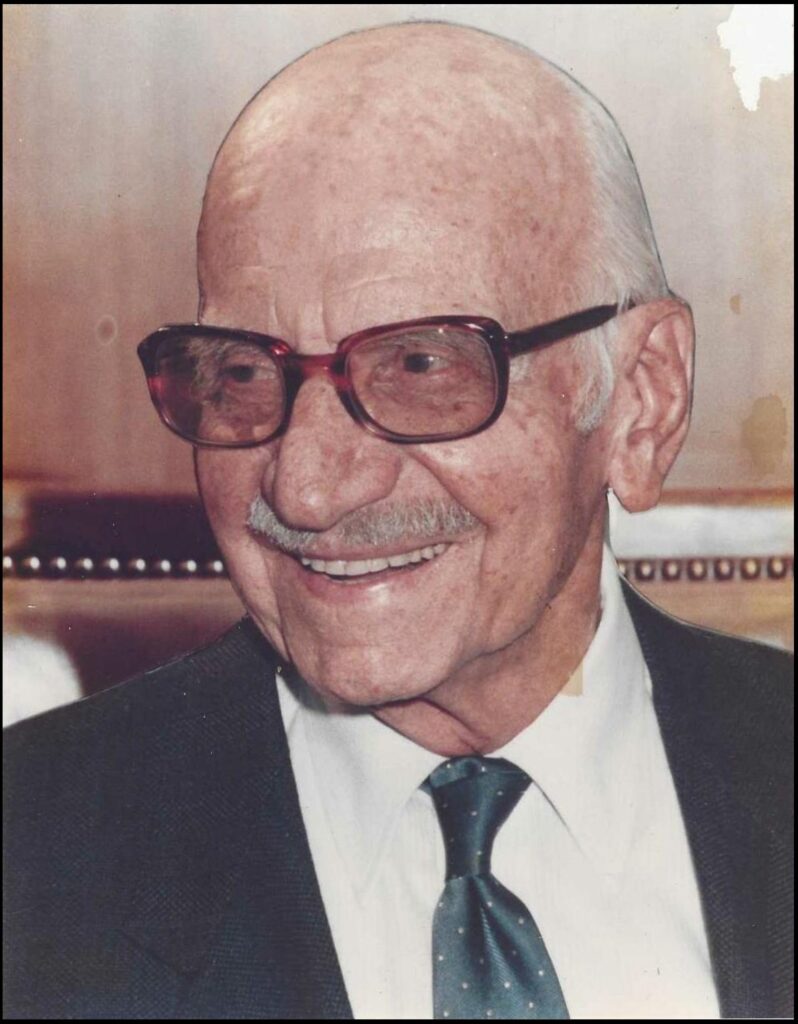
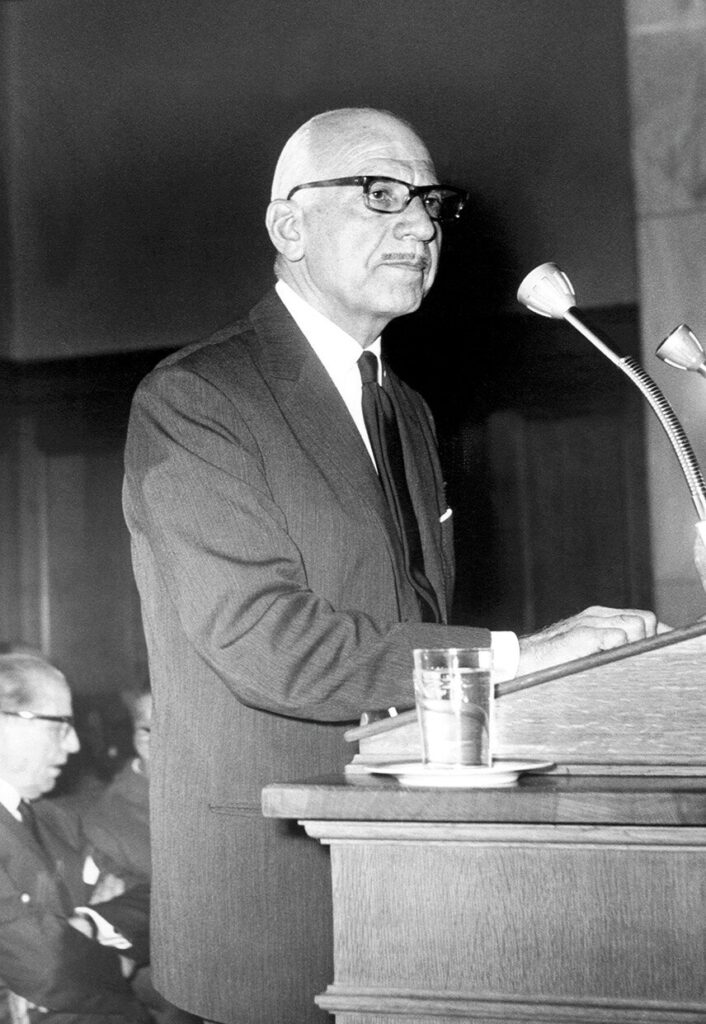
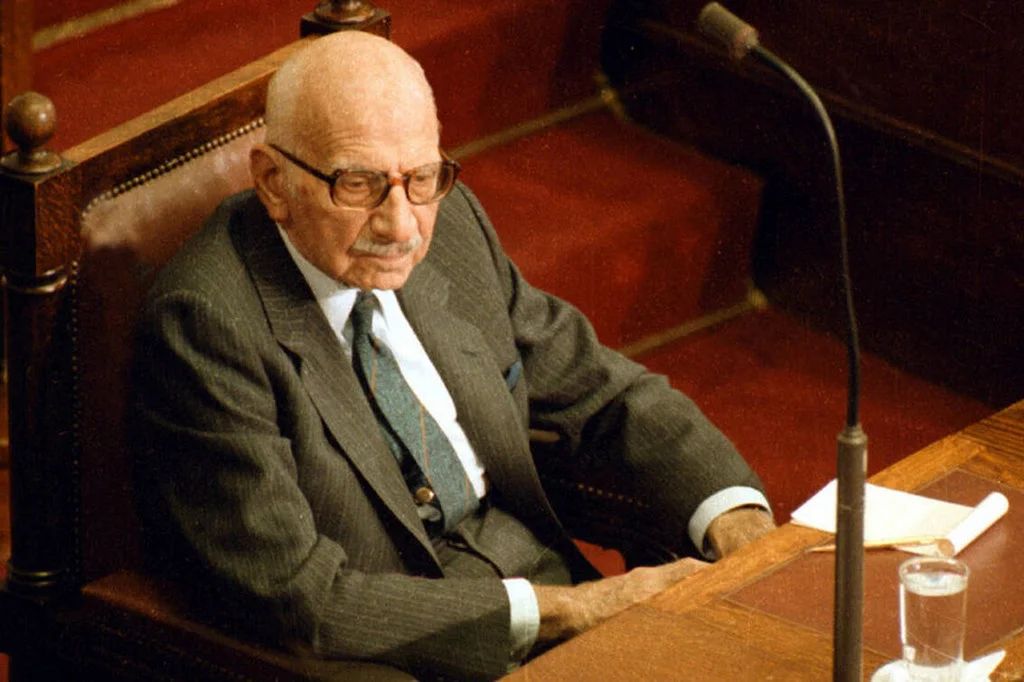
Xenophon Zolotas was born in Athens in 1904. He was the son of goldsmith Efthymios Zolotas and Konstantina Zolotas. He grew up in a deeply religious family environment, which instilled in him from an early age a strong faith and devotion to the principles of the Orthodox Christian tradition—values that profoundly shaped both his character and his public career.
A graduate of the Rizareios Ecclesiastical School, he studied Law at the University of Athens, Economics at the Higher Commercial School of Leipzig, and Political Science at the University of Paris.
Xenophon Zolotas held a deep respect and affection for his parents, who were distinguished by their integrity, love for fellow human beings, and steadfast devotion to the Christian faith. Konstantina Zolotas, in particular, was an extraordinary figure who did not limit herself to being a devout Christian but extended her influence through the establishment of the “Schools of the Virgin Mary,” as she called them. With her spiritual gift and dedication, she gathered thousands of followers, mainly women, and taught for decades in neighborhoods of Athens, Piraeus, and numerous provinces. At the same time, together with her husband Efthymios Zolotas, they carried out significant philanthropic work.
In memory of Efthymios and Konstantina Zolotas, the Christian Cultural Foundation was established with the purpose of continuing and spreading their spiritual and charitable work.
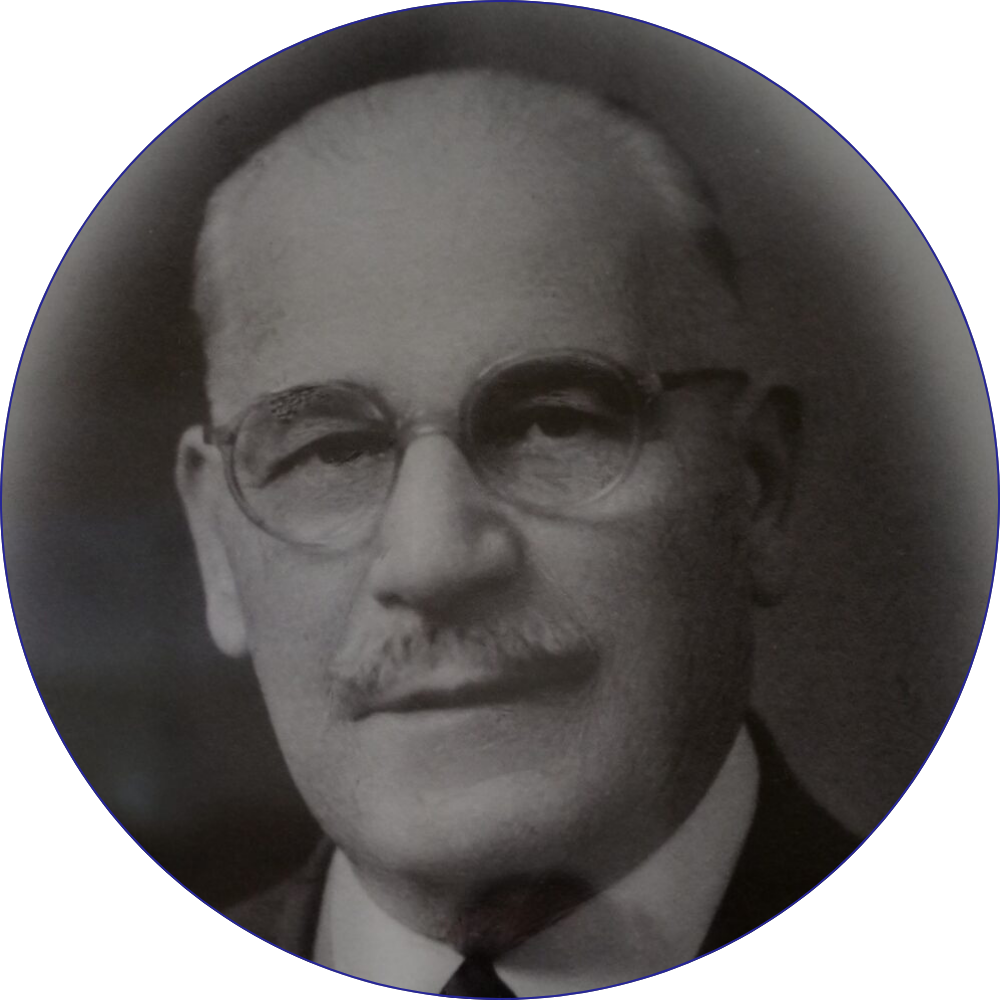
Efthymios Zolotas
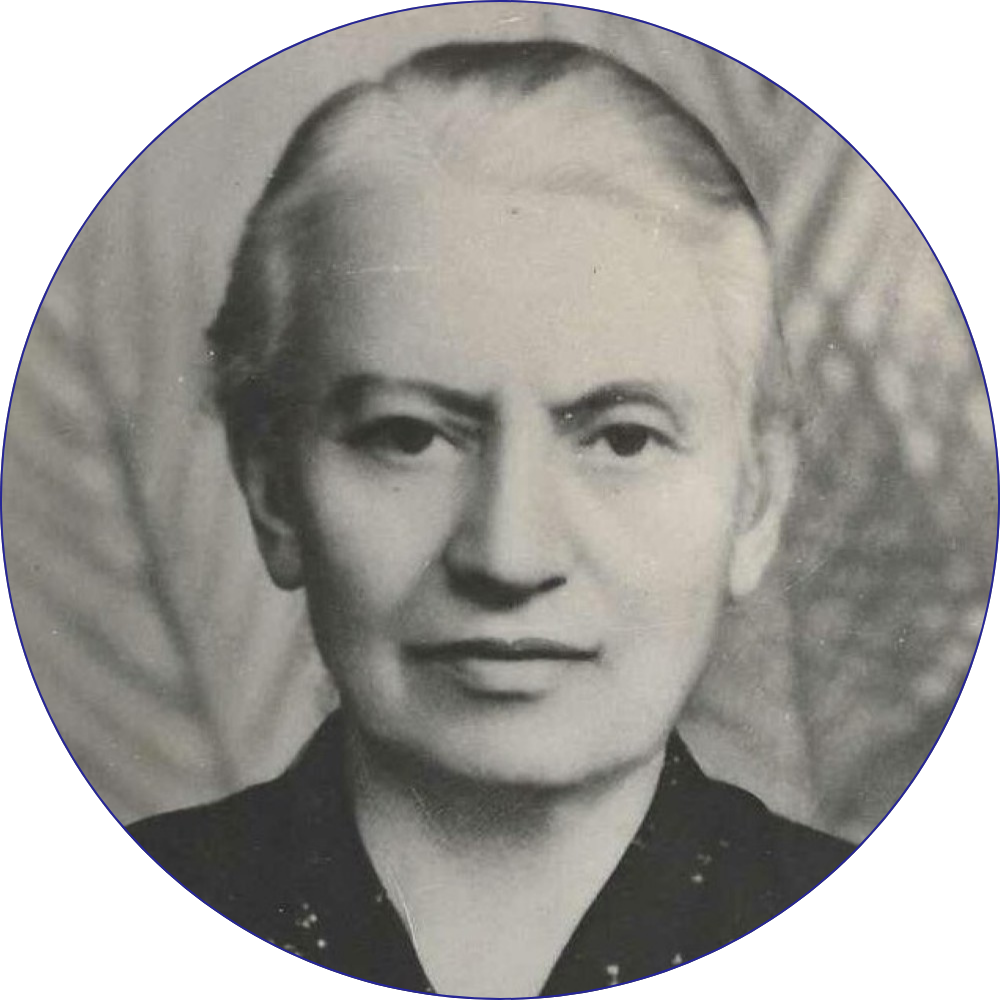
Konstantina Zolotas
He taught Political Economy at the Aristotle University of Thessaloniki (1928–1931) and at the University of Athens (1931–1968). In 1952, he was elected a full member of the Academy of Athens.
He served as Governor of the Bank of Greece (1944–1945 and 1955–1967). In 1967, he resigned both from the Bank of Greece and from his university position in protest against the dictatorship of April 21. Following the restoration of democracy, he once again served as Governor of the Bank of Greece (1974–1981). He also held the position of Minister of Coordination in the Caretaker Governments of Dimitrios Kiousopoulos (1952) and in the National Unity Government under Konstantinos Karamanlis (1974).
He was sworn in as Prime Minister of the Ecumenical Government (23 November 1989 – 11 April 1990), which was supported by New Democracy, PASOK, and the Coalition of the Left and Progress. The primary aim of his government was to achieve monetary stability for the Greek economy during the post-junta period, viewing economic stability as the foundation for promoting economic growth.
He produced a substantial body of written work and served for thirty-one years as editor of the Hellenic Review of Economic and Political Sciences (1936–1967).
His contribution to adapting the Greek economy to the new international monetary system—following the abolition of the Gold Standard and the adoption of the Fixed Exchange Rate System based on the US dollar—was crucial for the monetary stabilization of the country after the post-war hyperinflation.
Zolotas also made significant contributions as a member of international economic organizations (International Monetary Fund 1946–1981, Board of Governors of the URNA 1946, Greek delegation to the United Nations Economic Commission 1948–1954), pioneering the recognition of the importance of technical and technological education for promoting economic development.
He served as a member of the Committee of the Four Wise Men (1960), tasked with reforming the Organization for European Economic Cooperation (later the Organisation for Economic Co-operation and Development – OECD), as well as on the Committee of Governors of the Central Banks of EEC member states, playing a decisive role in shaping economic policy at both national and international levels.
He passed away at the age of 100, with his wife Kalliroi (Lola) Ritsou by his side, who succeeded him as President of the Foundation.